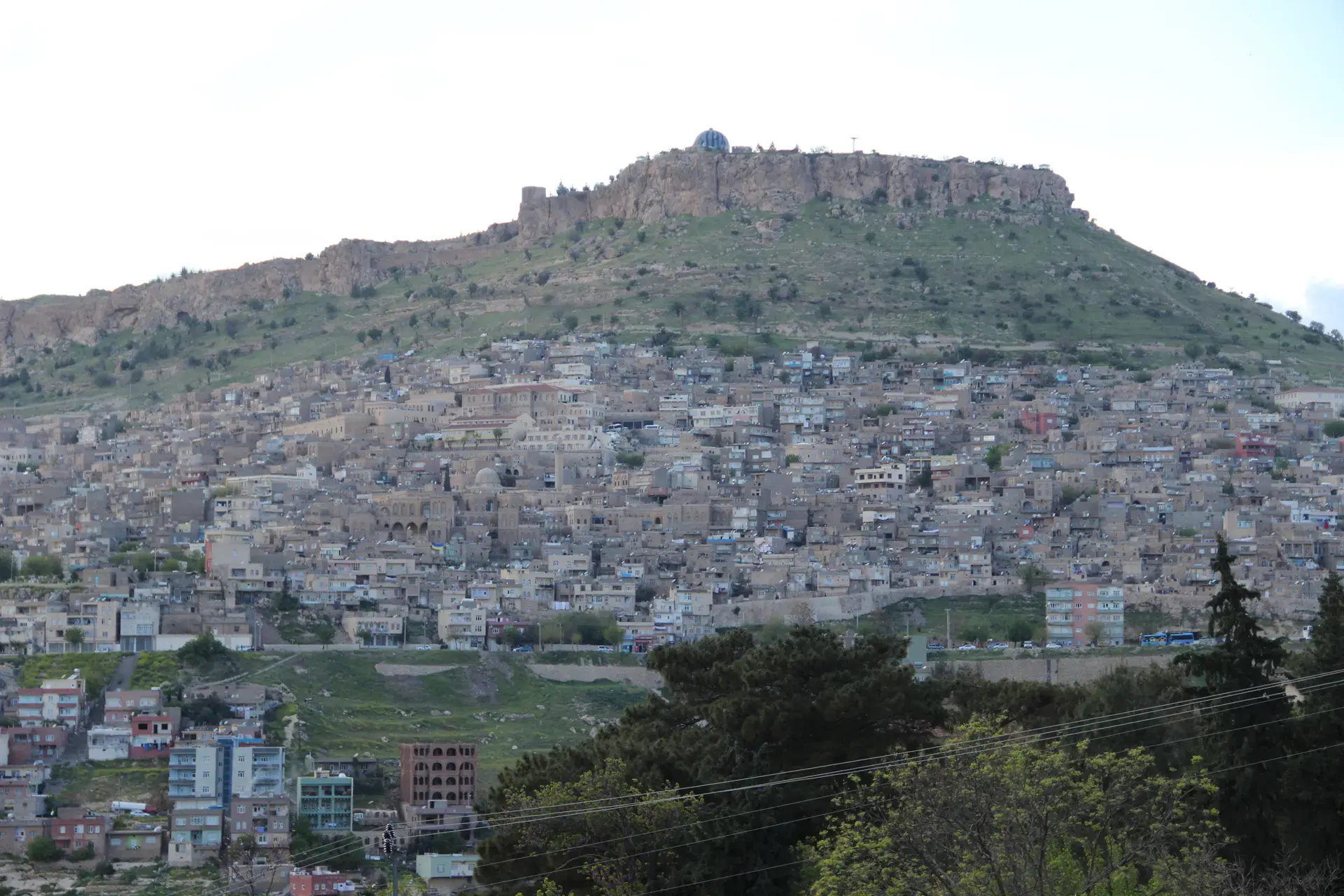
Southeastern Anatolia
Göbeklitepe, Mardin's honey-coloured stone, Gaziantep's kitchens and the Tigris.
Southeastern Anatolia
Göbeklitepe, Mardin's honey-coloured stone, Gaziantep's kitchens and the Tigris.
 UNESCO
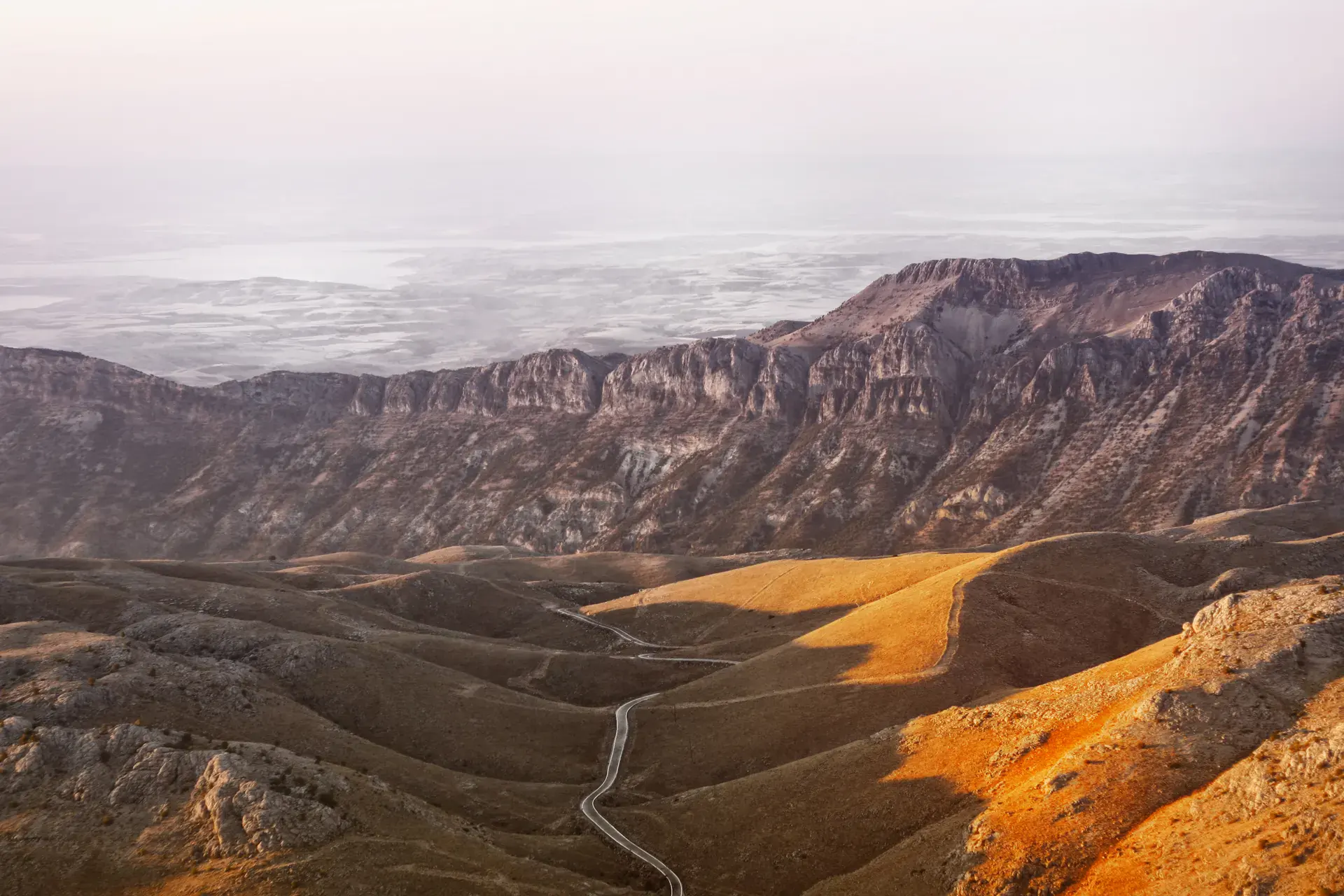
Adıyaman
Yeni Kale · Kab Camii · Çarşı Camii
 UNESCO
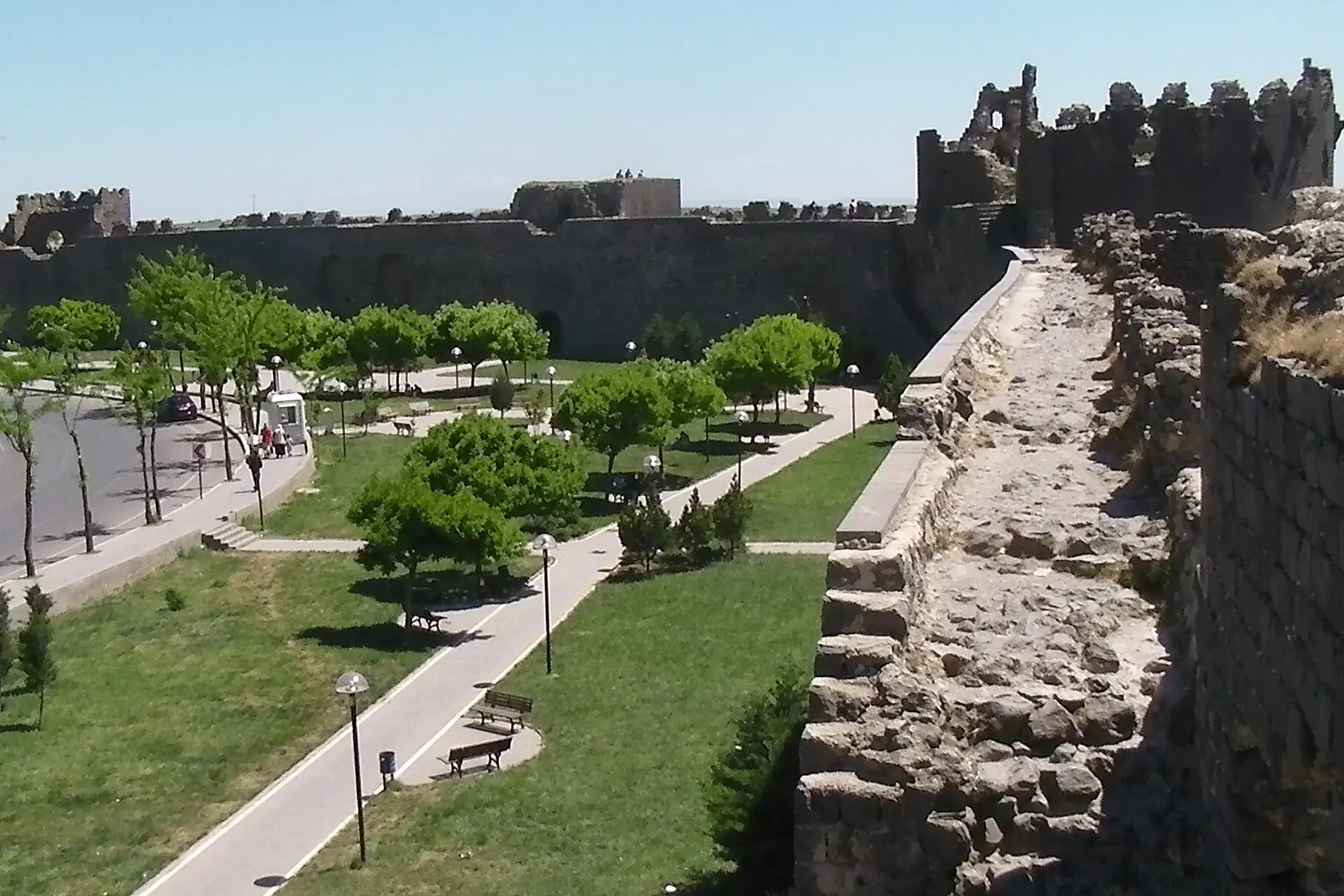
Diyarbakır
Gazi Köşkü · Nebi Camii · Dicle Köprüsü
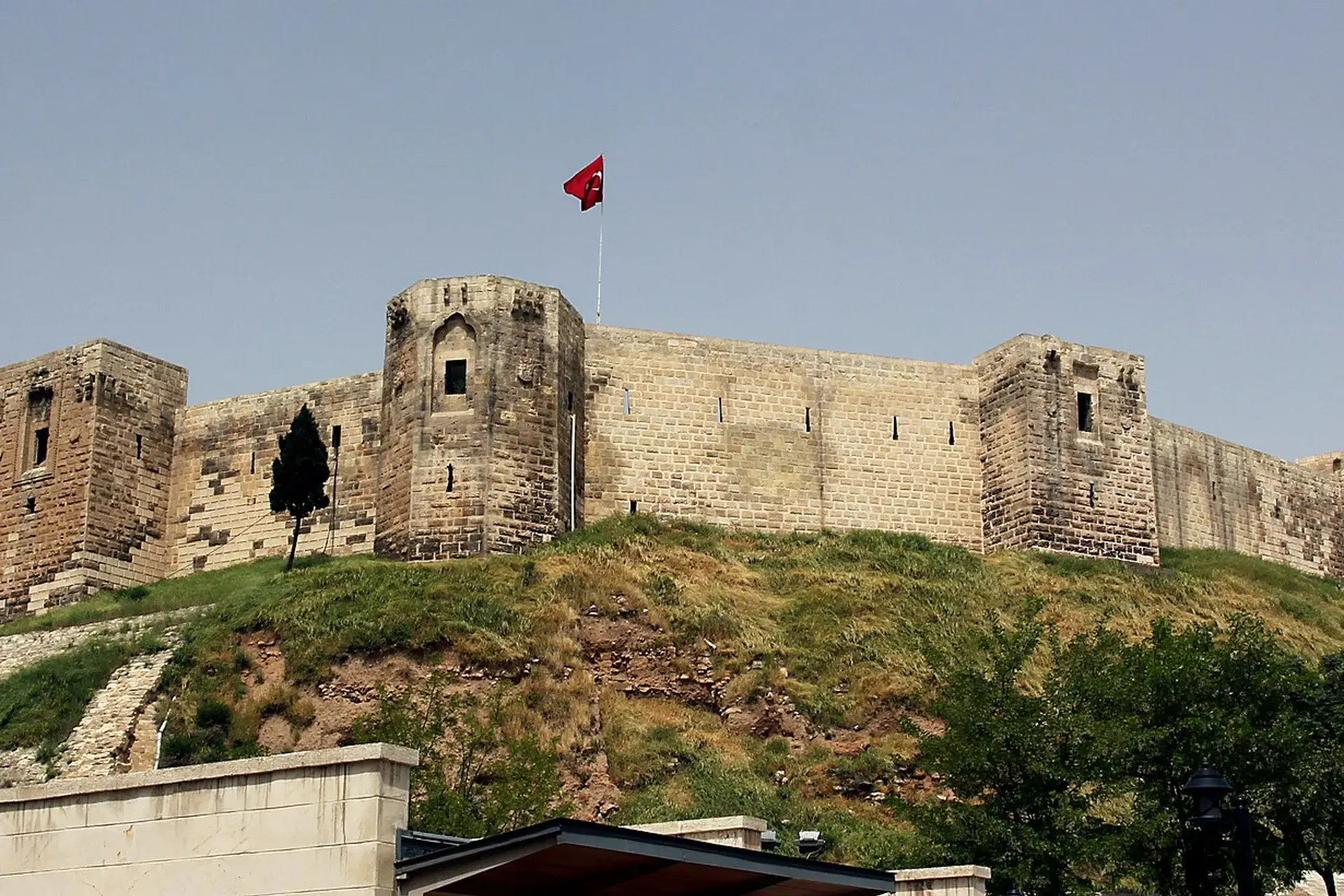
Gaziantep
Rumkale · Şire Han · Yeni Han
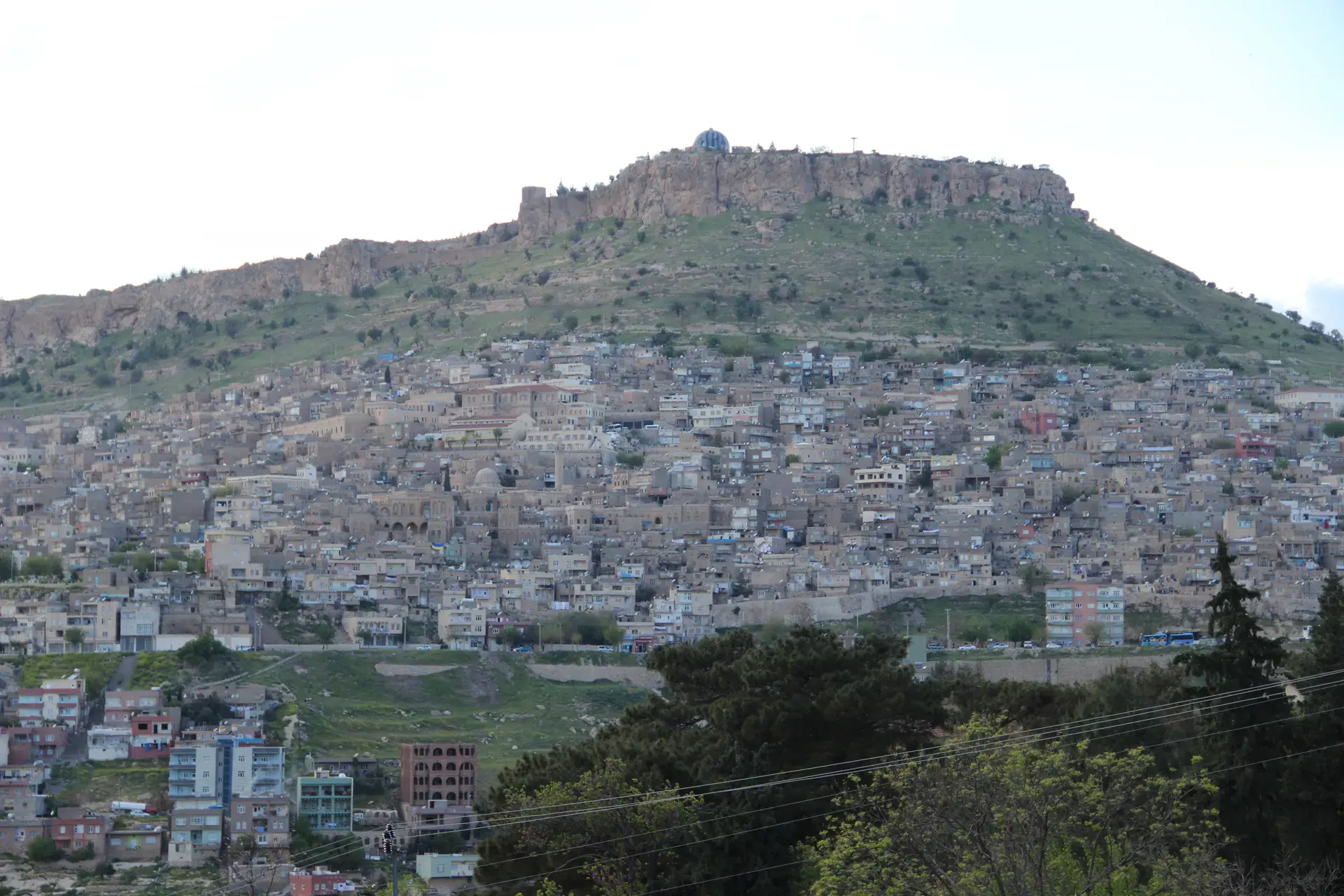
Mardin
Beyazsu · Surur Hanı · Gurs Vadisi
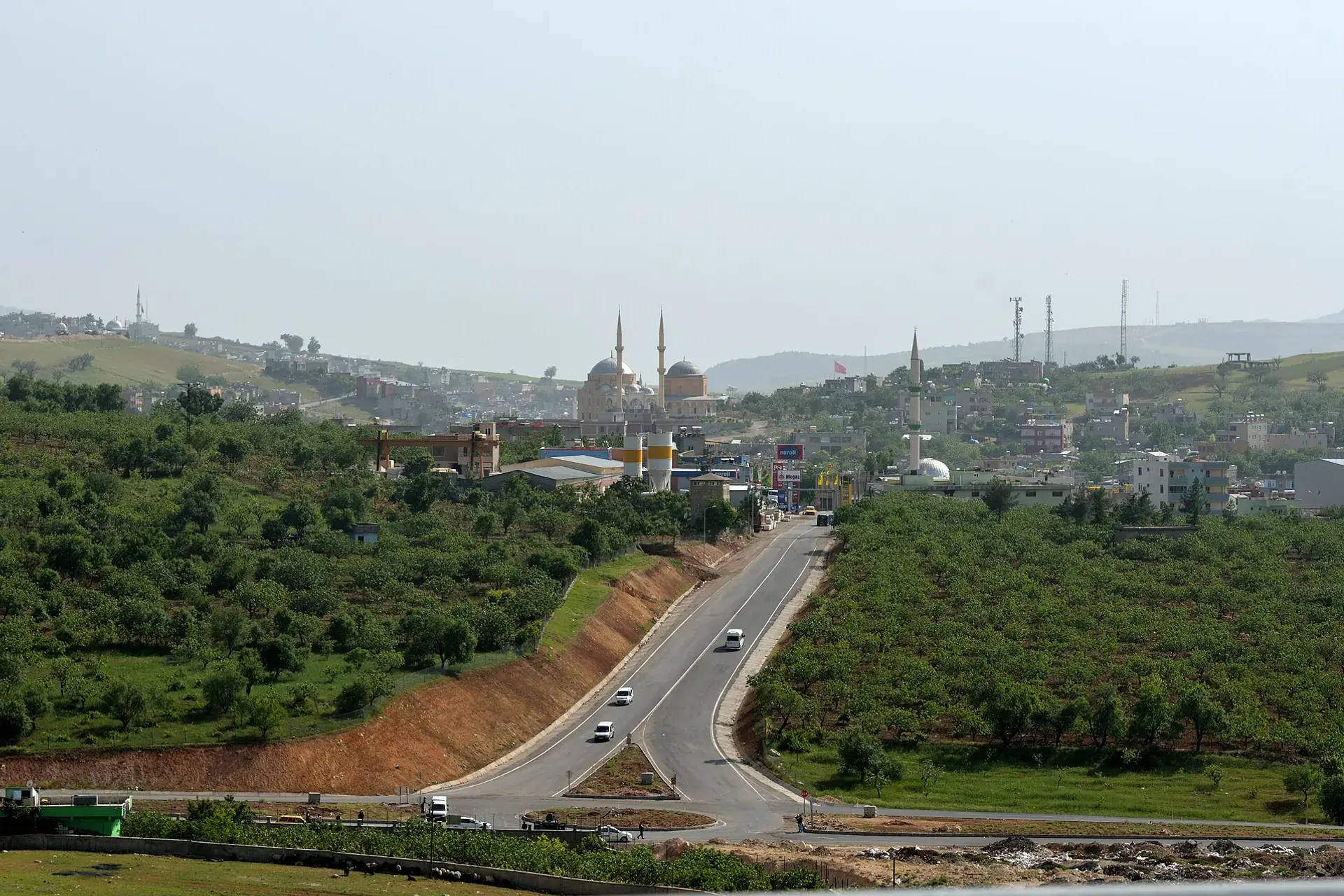
Siirt
Ulu Camii · Cas Evleri · Saat Kulesi
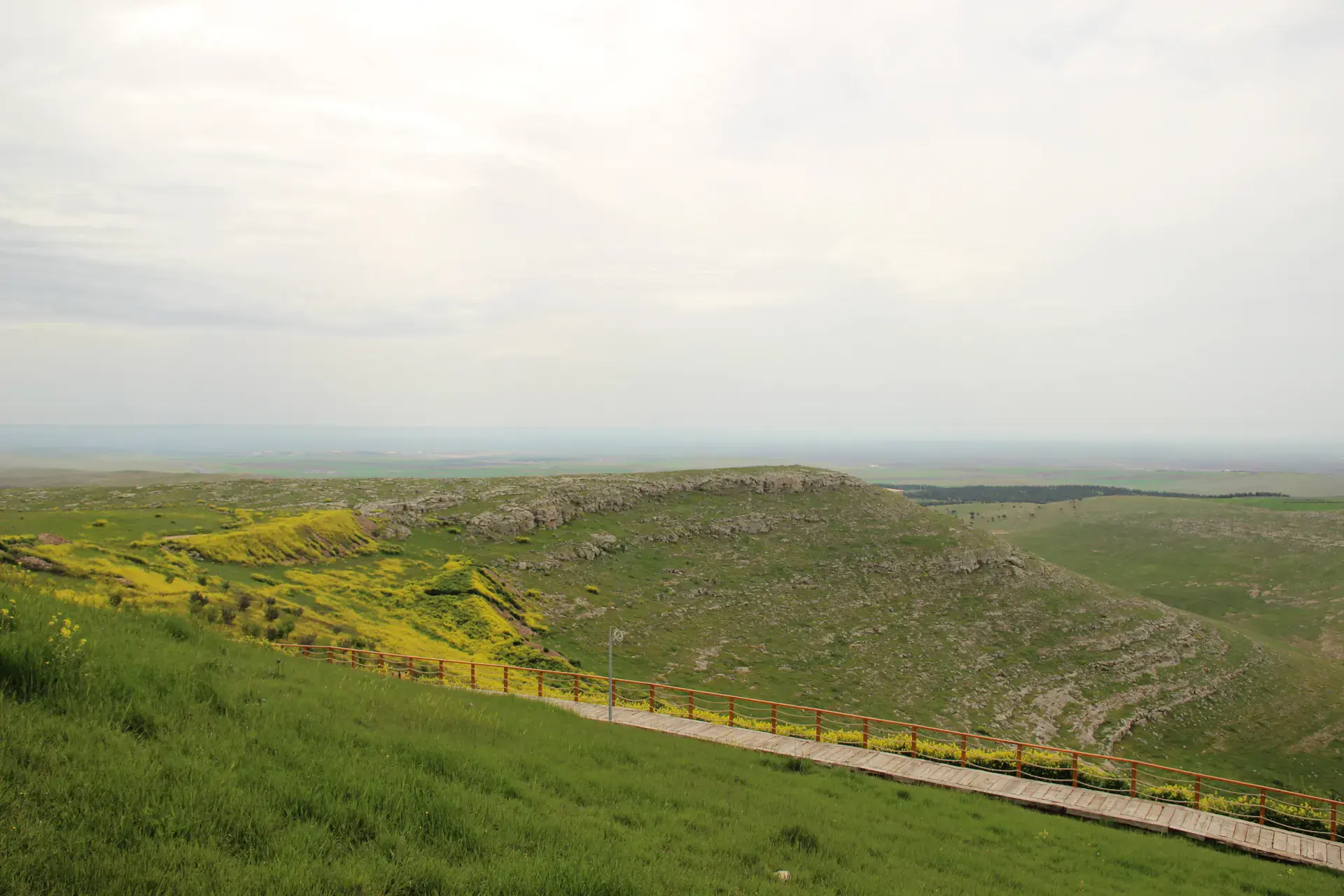 UNESCO
Şanlıurfa
Halfeti · Ulu Camii · Balıklıgöl
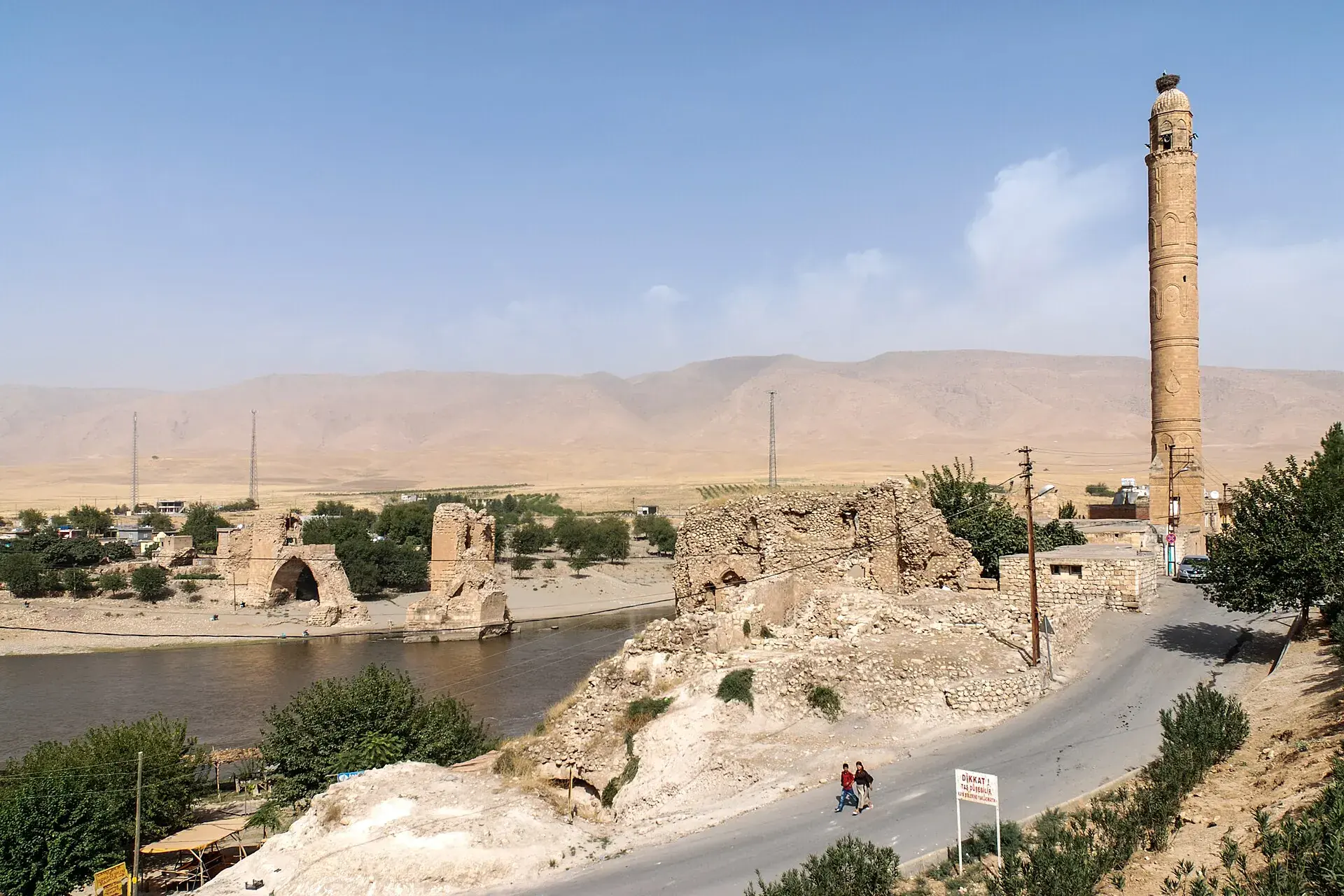
Batman
Rabat Kalesi · Beksi Kalesi · Kandil Kalesi
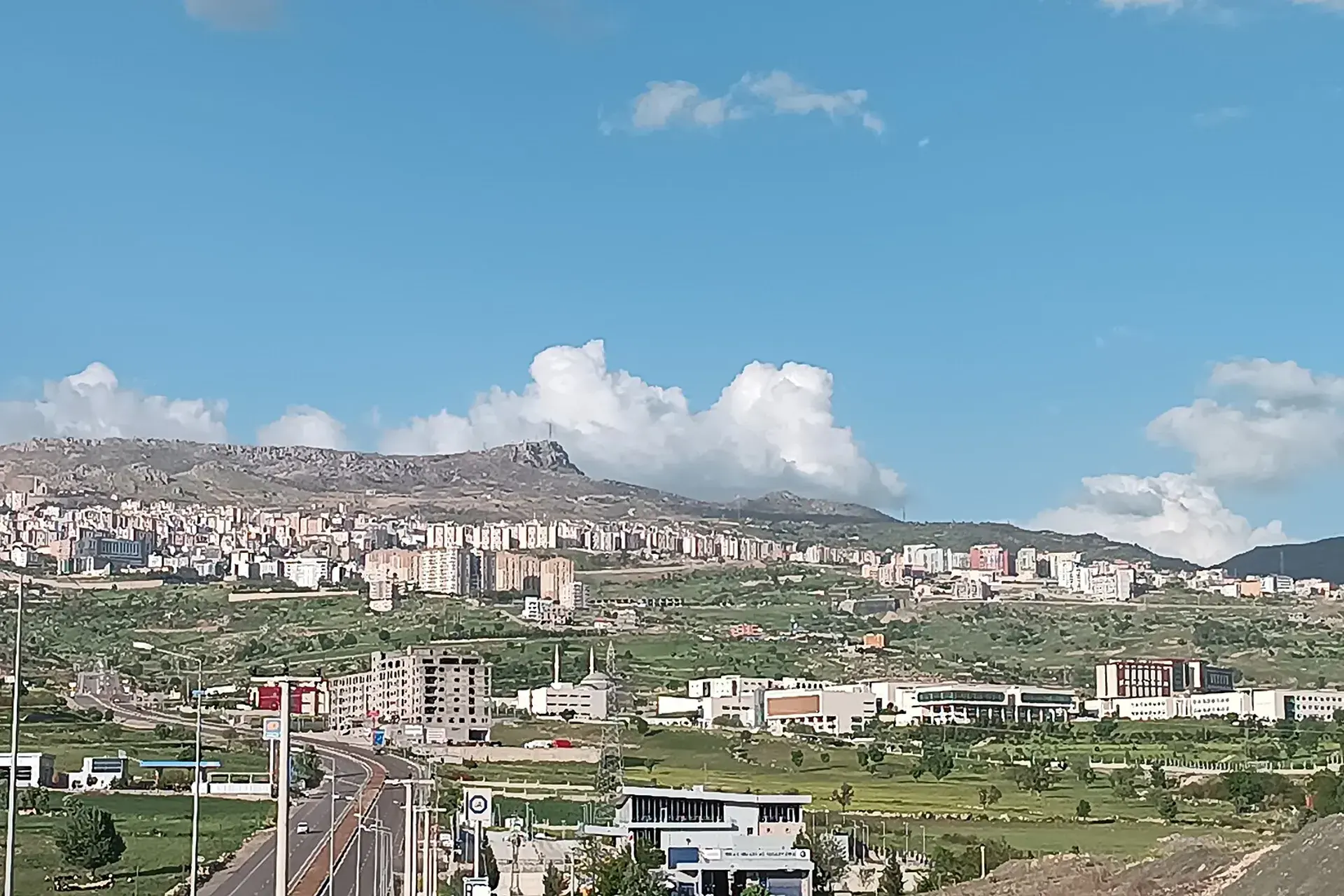
Şırnak
Ensari Evi · Beyaz Köprü · Mağara Köyü
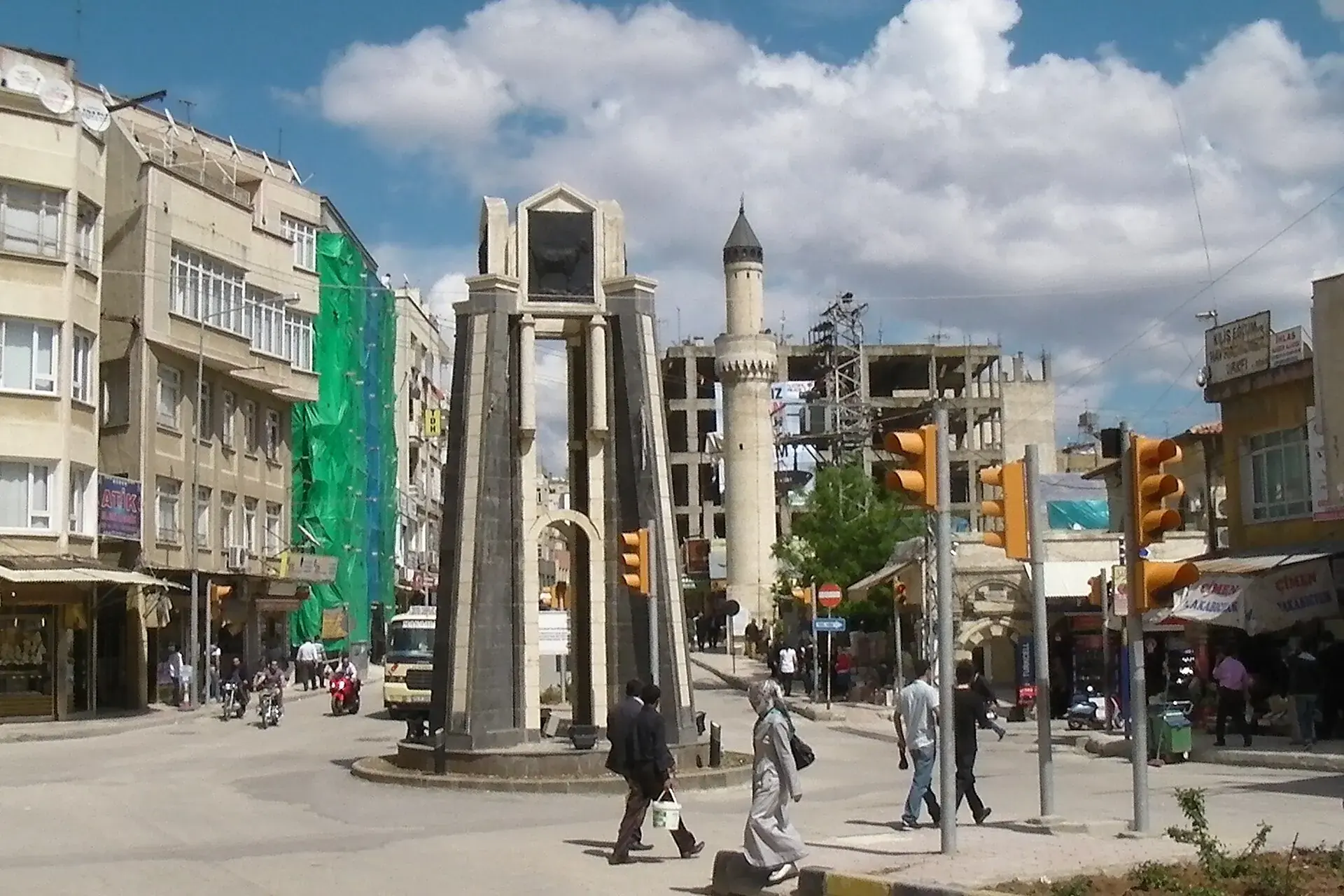
Kilis
Ulu Camii · Eski Hamam · Çalık Cami
Routes
Gaziantep
One of Türkiye's great food cities, with baklava, pistachios, kebabs and a rich museum scene.
Şanlıurfa and Göbeklitepe
Göbeklitepe rewrote the history of monumental architecture; Urfa adds prophets, pools, bazaars and a distinctive food culture.
Mardin
A honey-coloured stone city above the Mesopotamian plain, with churches, mosques, monasteries and a strong multicultural heritage.
Civilizations
Neolithic Anatolia
c. 9600, 6000 BCE
Neolithic Anatolia shaped Central Anatolia, Southeastern Anatolia between c. 9600, 6000 BCE. Its cities, monuments and inscriptions are part of Türkiye’s layered heritage; the sites below show where to see its legacy.
Cilicia
c. 1500 BCE, 1375 CE
Cilicia shaped Mediterranean, Southeastern Anatolia between c. 1500 BCE, 1375 CE. Its cities, monuments and inscriptions are part of Türkiye’s layered heritage; the sites below show where to see its legacy.
Commagene
c. 163 BCE, 72 CE
Commagene shaped Southeastern Anatolia, Eastern Anatolia between c. 163 BCE, 72 CE. Its cities, monuments and inscriptions are part of Türkiye’s layered heritage; the sites below show where to see its legacy.