Commagene
Commagene shaped Southeastern Anatolia, Eastern Anatolia between c. 163 BCE, 72 CE. Its cities, monuments and inscriptions are part of Türkiye’s layered heritage; the sites below show where to see its legacy.
Commagene
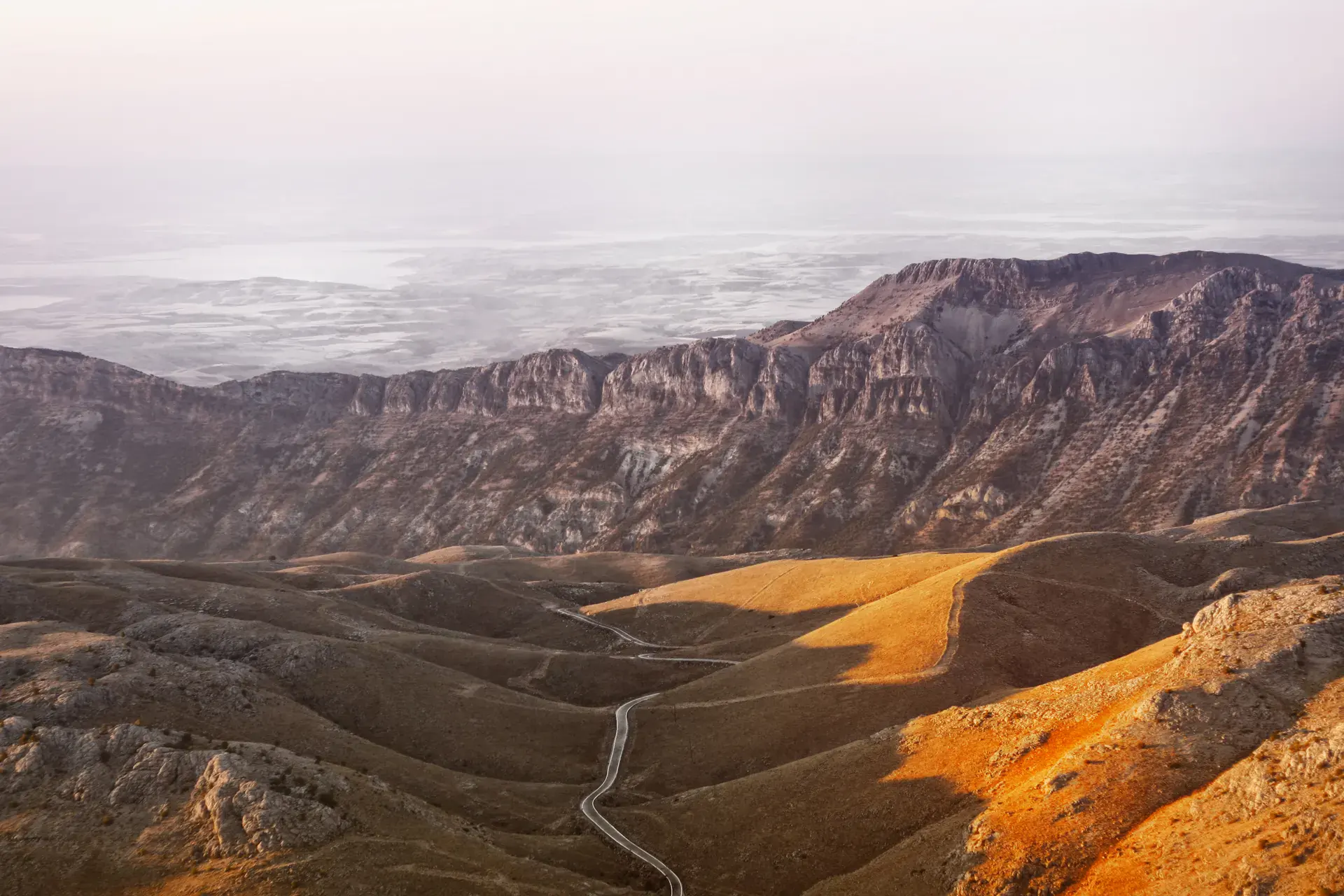
Commagene was a small Hellenistic kingdom between the Taurus and the Euphrates, created after the break-up of the Seleucid state. Its most famous ruler, Antiochus I Theos, built a tomb-sanctuary on Mount Nemrut: colossal statues of himself, gods, eagles and lions sit on a mountain top above the Euphrates. The kingdom's religion deliberately mixed Persian, Greek and Anatolian elements, presenting the king as a bridge between worlds. Arsameia was the royal residence and cult centre; Zeugma, on the Euphrates, was a wealthy Roman city famous for its mosaics. Commagene was annexed by Rome in 72 CE. Its monuments are unusual because they preserve a small kingdom's attempt to turn landscape and religion into political legitimacy.
Where to see it
Related civilizations
Opening hours, prices and transport change. Confirm details with the official venue before you go.