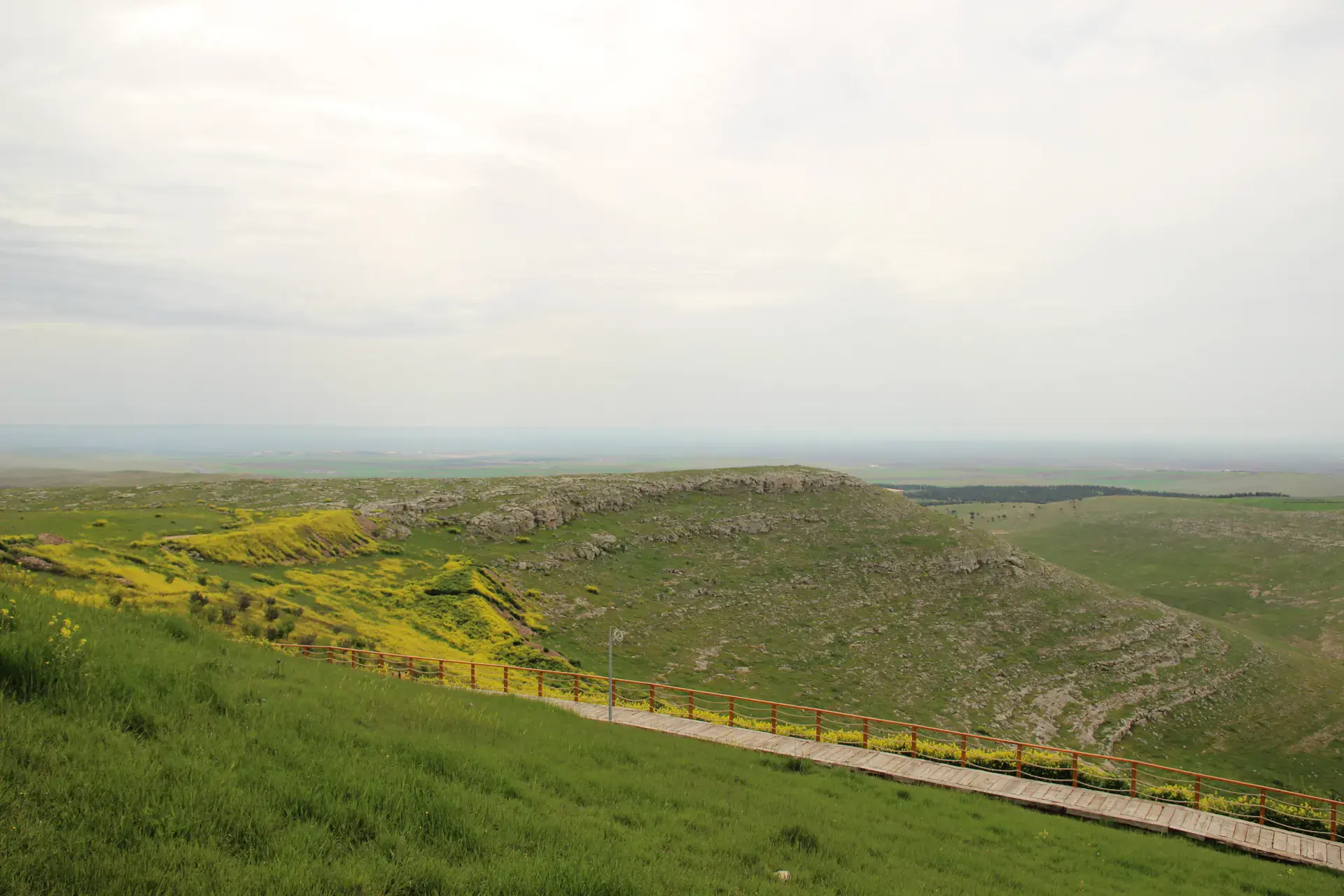
Neolithic Anatolia
Neolithic Anatolia shaped Central Anatolia, Southeastern Anatolia between c. 9600, 6000 BCE. Its cities, monuments and inscriptions are part of Türkiye’s layered heritage; the sites below show where to see its legacy.
Neolithic Anatolia
The Neolithic revolution in Anatolia is not one site but a network of settlements where people began to build permanent villages, farm cereals, herd animals and reshape the landscape. Göbeklitepe, near Şanlıurfa, is the most famous surprise: monumental carved pillars and animal reliefs were raised by communities that were still hunter-gatherers. At Çatalhöyük in Konya, densely packed mudbrick houses, wall paintings and burials under the floors show a different kind of early town. Aşıklı Höyük and Nevali Çori add obsidian trade, early experimentation with agriculture and ritual architecture. These sites matter because they challenge the old story that farming came first and religion followed: in Anatolia, monumental gathering places and symbolic art appear very early, alongside the first experiments in settled life.
Where to see it
Related civilizations
Opening hours, prices and transport change. Confirm details with the official venue before you go.