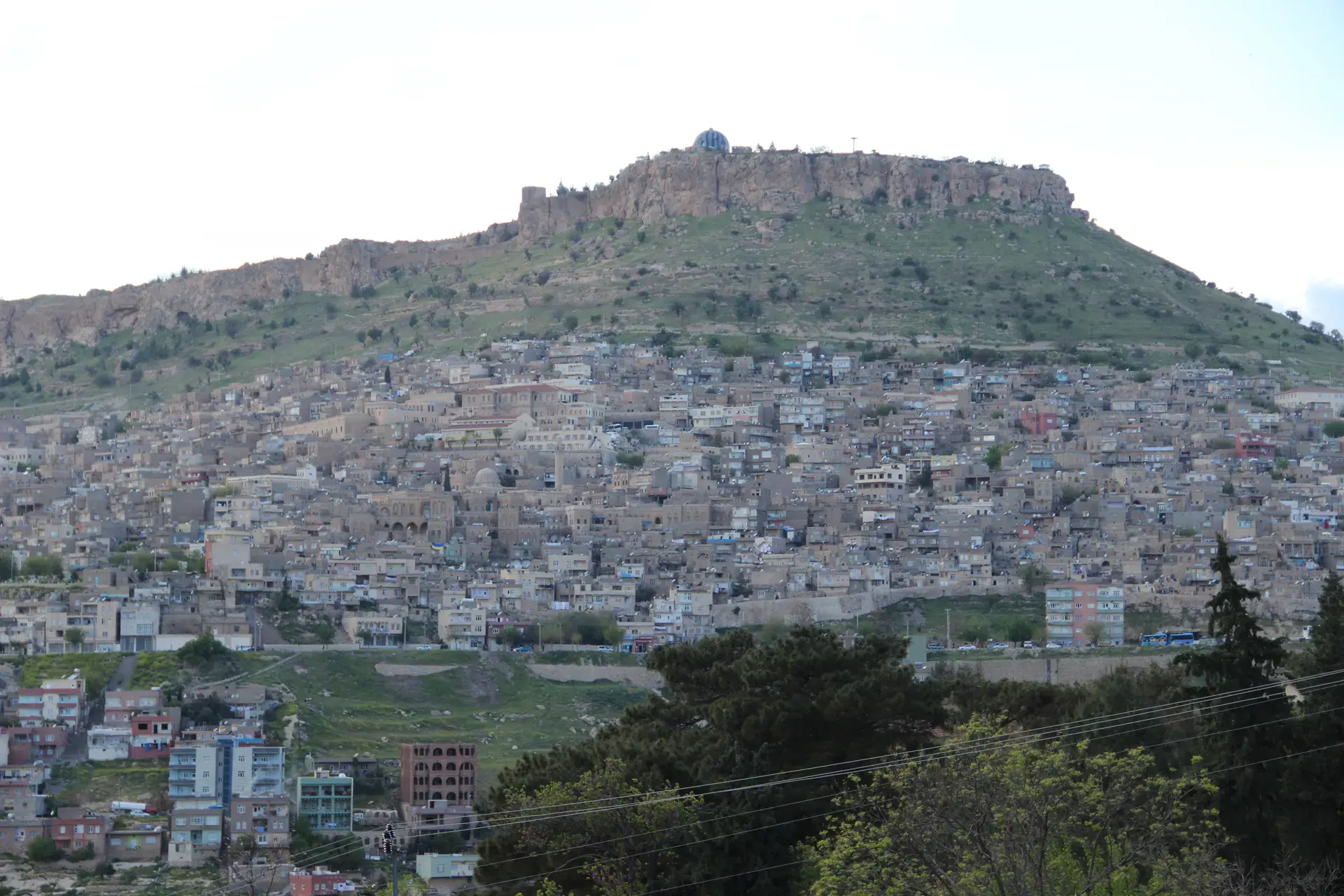
Mardin
A honey-coloured stone city above the Mesopotamian plain, with churches, mosques, monasteries and a strong multicultural heritage.
Best time
March to May and September to November.
Province
Mardin
Day-by-day itinerary
Day 1: Old Mardin
- Morning: Ulu Cami, Zinciriye Medresesi and the bazaar.
- Midday: lunch with Mardin's own flavours; try kaburga dolması and sembusek.
- Afternoon: Deyrulzafaran Monastery and the view over the plain.
- Evening: sunset from a terrace; dinner in the old city.
Day 2: Midyat and Dara
- Morning: Midyat's stone houses and silver workshops.
- Afternoon: Dara ancient city or the Mor Gabriel Monastery (check access).
- Evening: return to Mardin.
Old Mardin
Mardin Old Town
Honey-coloured stone streets, courtyards and views over the Mesopotamian plain. It is best explored on foot, with time for tea stops.
Ulu Cami
A 12th-century mosque with a tall minaret and a quiet courtyard in the old town.
Zinciriye Medresesi
A 14th-century madrasa with a courtyard, dome and views over the plain.
Kasımiye Medresesi
A large madrasa with a pool, cells and an observatory-like terrace, on the edge of the old town.
Mardin Museum
A museum in a restored mansion, with finds from the region and an explanation of its multicultural history.
Monasteries and nearby towns
Deyrulzafaran Monastery
A working Syriac Orthodox monastery east of Mardin, with stone halls, a church and a sun temple below.
Midyat
A stone-built town with churches, mosques and a lively bazaar, about an hour from Mardin.
Mor Gabriel Monastery
One of the oldest surviving Syriac Orthodox monasteries, on the plateau near Midyat.
Dara Ancient City
A Roman border city with rock-cut tombs, cisterns and walls, in the plains south of Mardin.
Savur
A small stone town with old houses, a castle and vineyards, good for a quiet half-day.
Food and crafts
Mardin bazaar
A covered market for spices, soap, copper and local sweets, with a lively morning atmosphere.
Syriac and Arab cuisine
Try kaburga dolması, irok, sembusek and local sweets; the city's food reflects its mixed heritage.
Stonework and silver
Mardin is known for stone carving, silver filigree and textile workshops in the old bazaar.
More places to see
Sakıp Sabancı Mardin City Museum
A museum in a restored building, covering the city's history, crafts and daily life.
Kırklar Church
A historic Syriac Orthodox church in the old town, with a courtyard and stone details.
Meryem Ana Church
An old church with a quiet courtyard, used by the city's Syriac community.
Midyat bazaar
A market for silver filigree, textiles, spices and local food in the stone town.
Hasankeyf
An ancient town on the Tigris with caves, castle ruins and a new museum, in nearby Batman.
Beyazsu
A green stream and picnic area north of Mardin, popular in summer.
Gercüş
A stone town with vineyards and old houses, on the road to Batman.
Dara
A Roman border city with rock-cut tombs, cisterns and walls in the plains south of Mardin.
Mor Yakup Monastery
A Syriac Orthodox monastery in Salah, near Midyat, with a church and a quiet courtyard.
Sultan İsa Medresesi
A 14th-century madrasa in the old town, with a courtyard and stone carvings.
Şehidiye Medresesi
A historic madrasa and mosque complex with a minaret and views over the plain.
Mor Abai Monastery
An old Syriac monastery near Midyat, in a quiet rural setting.
Mor Barsavmo Church
A historic Syriac church in Midyat, with a courtyard and stone details.
Salah
A village of stone houses and a monastery, between Mardin and Midyat.
Sources: GoTürkiye Mardin
Food to try
kaburga dolması, sembusek, mırra coffee, Assyrian wines.
Where to stay
Old Mardin stone hotels; Midyat for a quieter base.
Practical notes: Mardin Airport (MQM). The old city is steep and cobbled; wear good shoes. Some monasteries require advance permission or have limited hours.