Phrygia
Phrygia shaped Central Anatolia, Aegean between c. 1200, 700 BCE. Its cities, monuments and inscriptions are part of Türkiye’s layered heritage; the sites below show where to see its legacy.
Phrygia
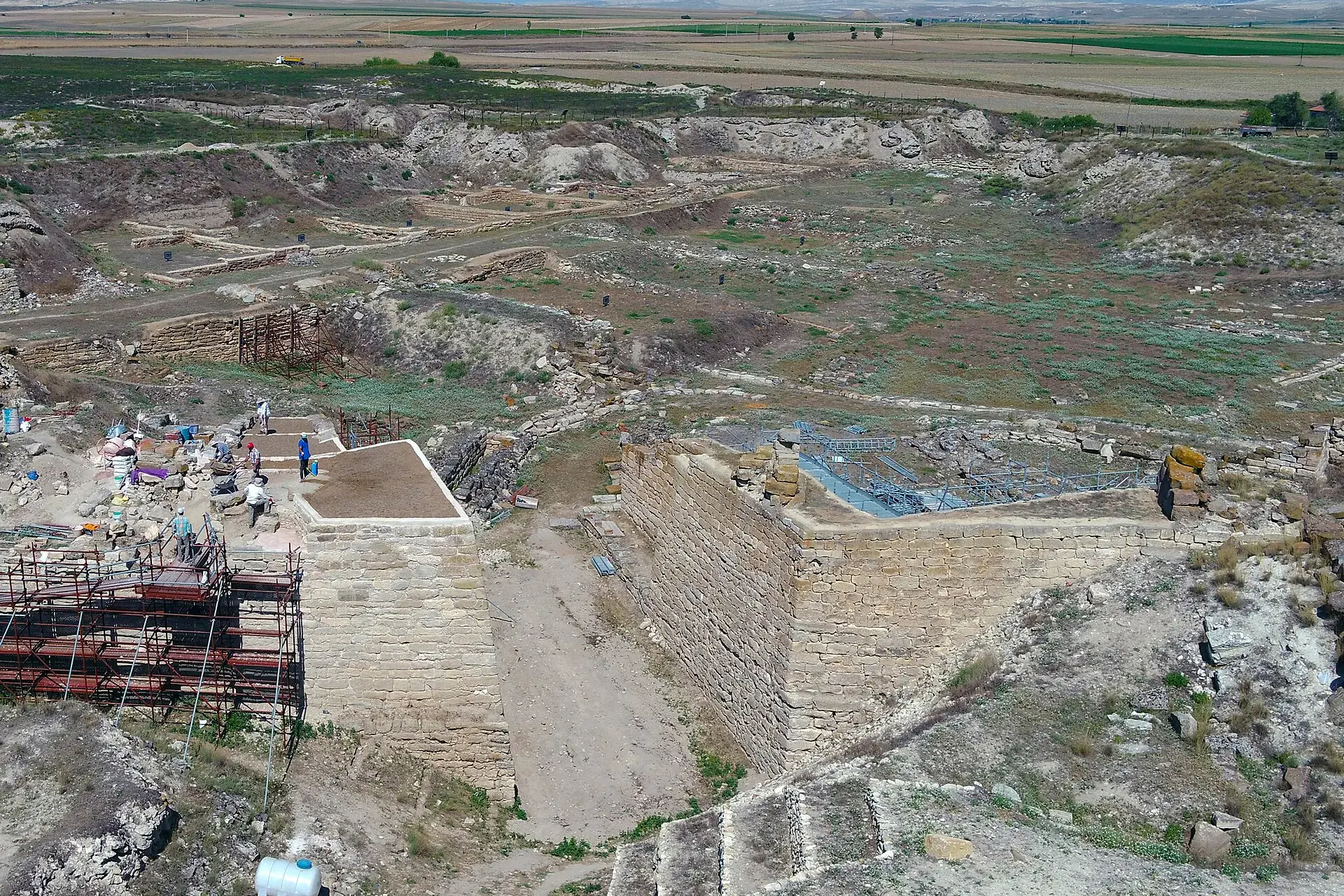
Phrygia emerged after the collapse of the Hittite state, with its centre on the Anatolian plateau around Gordion, Polatlı. The Phrygians spoke an Indo-European language and built a kingdom remembered for King Midas, whose historical ruler may lie behind the Greek legend of the golden touch. Gordion's massive tumuli, including the Midas Mound, preserve wooden furniture and grave goods of extraordinary quality. In the highlands near Eskişehir, rock-cut facades such as Midas City (Yazılıkaya) turn the landscape into monumental architecture. Phrygian culture blended Anatolian and Aegean elements; its cult of Cybele, the mother goddess, later travelled to Rome. The kingdom was absorbed by Lydia and then Persia, but its monuments remained a marker of central Anatolian identity.
Where to see it
Related civilizations
Opening hours, prices and transport change. Confirm details with the official venue before you go.