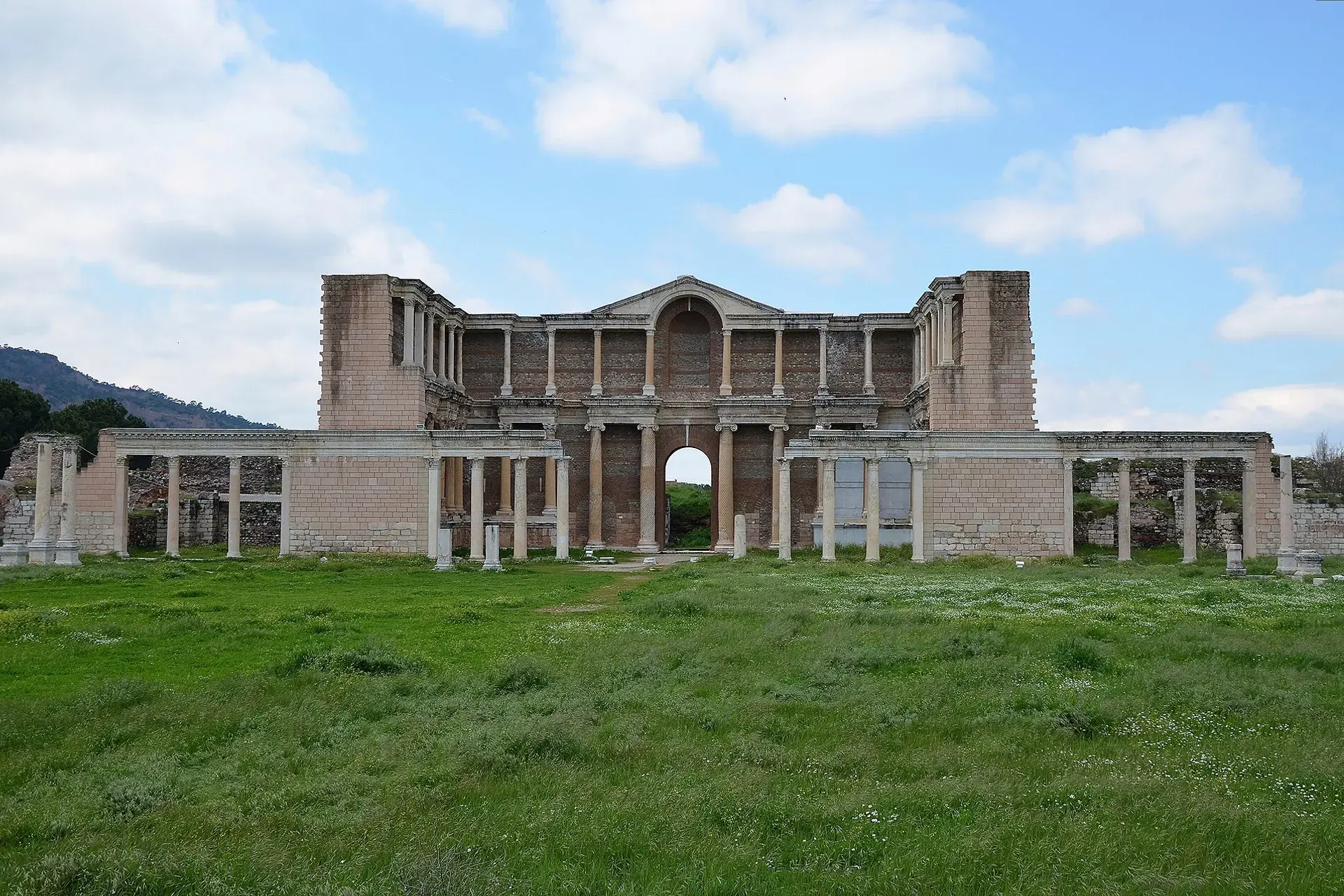
Lydia
Lydia controlled the Hermus and Pactolus valleys, with its capital at Sardis below the Tmolus mountains. The Mermnad dynasty, especially Croesus, became a byword for wealth; the Pactolus river was associated with the legend of Midas and with alluvial gold. Lydia is credited with some of the earliest standardised electrum and gold coinage, a technology that changed trade across the Mediterranean. Sardis had a monumental temple of Artemis, a vast gymnasium complex and a synagogue; the Bin Tepe tumuli, including the tomb of Alyattes, are among the largest burial mounds in the ancient world. Lydian inscriptions preserve an Indo-European language related to Luwian. In 547 BCE Cyrus the Great took Sardis, and Lydia became a Persian satrapy; its roads and coinage were inherited by the empires that followed.
Where to see it
Related civilizations
Opening hours, prices and transport change. Confirm details with the official venue before you go.